


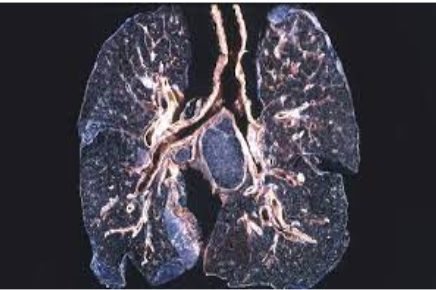
#Spotter 1:
Q1. Enlist five prevalent Pneumoconiosis in Nepal. (1)
Silicosis: (Most common; associated with stone crushing, mining, and pottery).
Coal Worker's Pneumoconiosis (CWP): (Seen in brick kiln workers and coal miners).
Asbestosis: (Associated with construction and insulation materials).
Byssinosis: (Caused by cotton, flax, or hemp dust; "Monday Fever").
Mixed Dust Pneumoconiosis: (Common in various informal industrial sectors).
Q2. Mention three major causes of Farmer’s Lung. (1) Farmer’s Lung is a type of Hypersensitivity Pneumonitis caused by inhaling organic dusts. The major sources include:
Moldy hay or straw: (Containing thermophilic actinomycetes like Saccharopolyspora rectivirgula).
Grain dust: (Stored in damp conditions).
Compost / Silage / Decaying vegetation: (Releasing fungal spores and bacteria).
#Spotter 2
Q1. A worker in a sugar factory presents with breathlessness, cough, haemoptysis, fever, impaired PFT, and X-ray showing mottling/shadows. What is the diagnosis? (0.5)
Diagnosis: Bagassosis (Hypersensitivity Pneumonitis caused by inhaling dust from moldy sugarcane fibers/bagasse).
Q2. Mention the preventive measures for this condition. (1.5)
The prevention of Bagassosis follows the standard hierarchy of occupational health controls:
Engineering Controls:
Installation of efficient dust extraction and local exhaust ventilation systems.
Maintaining high humidity in work areas to prevent dust from becoming airborne.
Work Practice Measures:
Wetting of bagasse during handling to suppress dust dispersion.
Ensuring bagasse is stored in a way that prevents the growth of thermophilic fungi.
Administrative Measures:
Implementing short duration shifts with worker rotation to minimize individual exposure time.
Personal Protective Equipment (PPE):
Mandatory use of high-quality respiratory masks (N95 or better) in high-dust areas.
Medical Measures:
Pre-placement examinations to screen for existing lung disease.
Periodic health check-ups, including Chest X-rays and Pulmonary Function Tests (PFT), for early detection.
#Spotter 3:
Q1. An industrial worker reported with cough, dyspnoea on exertion, and chest pain. His Chest X-ray showed a "snow storm appearance." What is the diagnosis? (1)
Diagnosis: Silicosis (A chronic fibrotic lung disease caused by the inhalation of crystalline silica dust).
Q2. Mention three major causes of Farmer’s Lung. (1)
Farmer's Lung is a hypersensitivity pneumonitis caused by the inhalation of organic antigens, primarily:
Moldy hay or straw: Contains thermophilic actinomycetes (e.g., Saccharopolyspora rectivirgula).
Grain dust: Especially when stored in damp, poorly ventilated conditions.
Compost / Silage / Decaying vegetation: Which serves as a breeding ground for fungal spores.
#Spotter 4
Q1. List down the commonly prevalent Pneumoconiosis in Nepal. (1)
The most common types of pneumoconiosis (mineral dust diseases) and related occupational lung diseases in Nepal include:
Silicosis: Highly prevalent in stone crushing, mining, and construction.
Coal Worker's Pneumoconiosis (CWP): Seen in brick kiln workers and coal miners.
Asbestosis: Found in workers handling cement, roofing, and insulation.
Byssinosis: Caused by cotton dust (common in textile industries).
Mixed Dust Pneumoconiosis: Found in various informal industrial sectors.
Q2. Mention the CAGE questionnaire. (1)
The CAGE questionnaire is a widely used screening tool for Alcohol Use Disorder. A score of 2 or more is considered clinically significant.
C: Cut down – Have you ever felt you should Cut down on your drinking?
A: Annoyed – Have people Annoyed you by criticizing your drinking?
G: Guilty – Have you ever felt bad or Guilty about your drinking?
E: Eye-opener – Have you ever had a drink first thing in the morning (Eye-opener) to steady your nerves or get rid of a hangover?